Skip Hire in Highgate
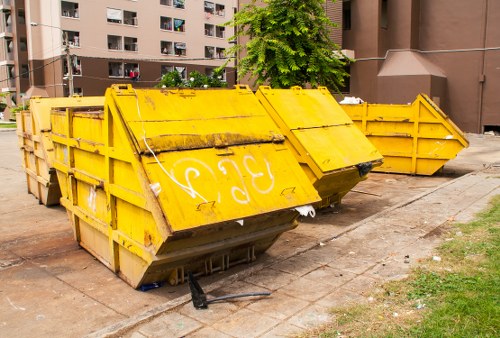
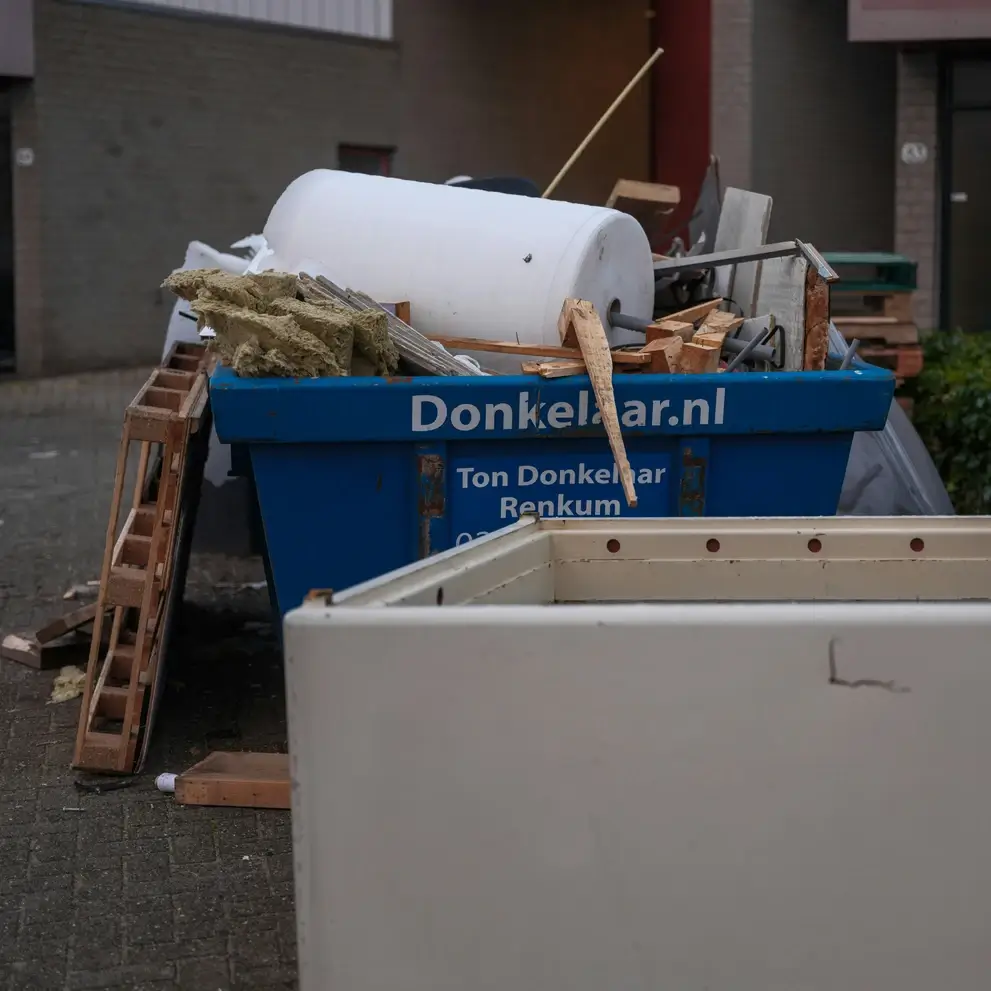
Skip hire in Highgate gives householders, builders and local businesses a practical way to remove mixed waste, bulky items and renovation debris without turning a project into a series of car journeys. Our service is built around straightforward container supply, sensible load guidance and clear collection arrangements, so the right skip can support a loft clear-out, a kitchen refit, a garden project or a construction phase with less disruption. The aim is simple: help you choose a suitable waste solution for the job in hand and keep the process orderly from start to finish.
Different projects create different waste streams, and the most useful skip hire option is rarely the same for every customer. A domestic tidy-up may produce furniture, packaging and general rubbish, while a building project often produces bricks, timber, plasterboard and broken fittings. We help customers think through those practical differences so the container size and the waste type line up with the work being carried out. That matters because a well-matched hire can save time, reduce unnecessary handling and make site housekeeping easier.
For a quick quotation, it helps to have a rough idea of the materials involved, the likely volume and where the skip will sit while it is in use. If you are comparing disposal options, it is also worth checking whether a skip is the best fit or whether a different service would be more practical for access, timing or weight. Start with the waste you already know about, then refine the choice from there. You can request a quotation when you are ready.
Choosing the Right Skip for the Job
Skip hire works best when the container reflects the actual task rather than the assumption that bigger is always easier. Smaller skips are often suitable for domestic clearances, bathroom updates and garden waste, while larger containers can suit heavier renovation work or recurring trade waste. The key decision is not only capacity but also how the material will be loaded, what access is available and whether any awkward items need separate handling. A careful match can reduce wasted space and avoid the frustration of overfilling.
We can support customers who need a simple domestic skip, a builder’s skip or a more specialised waste solution for a controlled site environment. The service can also be useful where waste is being gathered over several days rather than removed in one sweep. In that case, the placement of the skip and the sequence of loading matter as much as the size. For customers who are unsure where to begin, the safest approach is usually to list the main waste categories first and then narrow the choice from there. If you need help deciding, make a note of the heaviest items and the most awkward ones before you ask for a price.
Common Skip Hire Options

There are several practical reasons to choose skip hire rather than a one-off collection. A skip gives you a fixed place to keep waste, which can be helpful when a room is being stripped back gradually or when a site is producing debris throughout the week. It also makes it easier to separate clear, loadable materials from items that need different treatment. For some projects the value is in convenience; for others it is in maintaining a tidier work area and avoiding repeated pauses in the job.
Relevant service choices can include domestic skip hire for home projects, builders waste removal for construction debris, and garden waste removal for cuttings, soil and landscaping waste. Where access is more limited or the waste needs to be moved manually into a vehicle, some customers prefer wait and load skip hire instead. For heavier or more scattered material, grab hire services or grab lorry hire may be worth considering, depending on the site layout and the type of waste involved.
If you are comparing options, think about loading method, volume, timing and access together rather than in isolation. A service that looks convenient on paper may not be the most practical choice if the waste is awkward, the frontage is restricted or the job creates material steadily over several days. Good planning keeps the project moving. For straightforward jobs, a standard skip is often the clearest option; for more constrained work, a different collection method may be easier to manage.
Waste Types and Loading Considerations
Skip hire is designed for ordinary mixed waste as well as clearly separated material from building, clearance and landscaping jobs, but the load still needs to be considered carefully. Heavy items such as rubble, soil, broken masonry and tiles behave very differently from lightweight waste like packaging, timber offcuts or old household items. The way the skip is loaded affects how well the container is used and whether the material remains manageable for collection. For that reason, the most efficient loads are usually compact, even and easy to level off.
Customers often find it helpful to sort waste into broad groups before loading begins. For example, a kitchen strip-out may include old units, worktops, appliances and wrapping materials, each of which may need a different approach. A loft clearance might produce cardboard, fabric, plastic storage items and accumulated household clutter. Our main service can be matched to those patterns, but the load should never be treated as an afterthought. If the contents include restricted material, discuss that early so the hire can be matched to the correct disposal route.
When a quotation is being prepared, the most useful information is usually a plain description of the items, an estimate of the quantity and any access constraints that may affect delivery or collection. That makes it easier to judge whether a standard skip, a builders skip or another waste service is likely to be the right fit. If the job includes awkward or heavy material, it may also be sensible to ask how loading should be organised so the skip remains safe and usable throughout the hire period.
Domestic, Garage and Loft Clearances

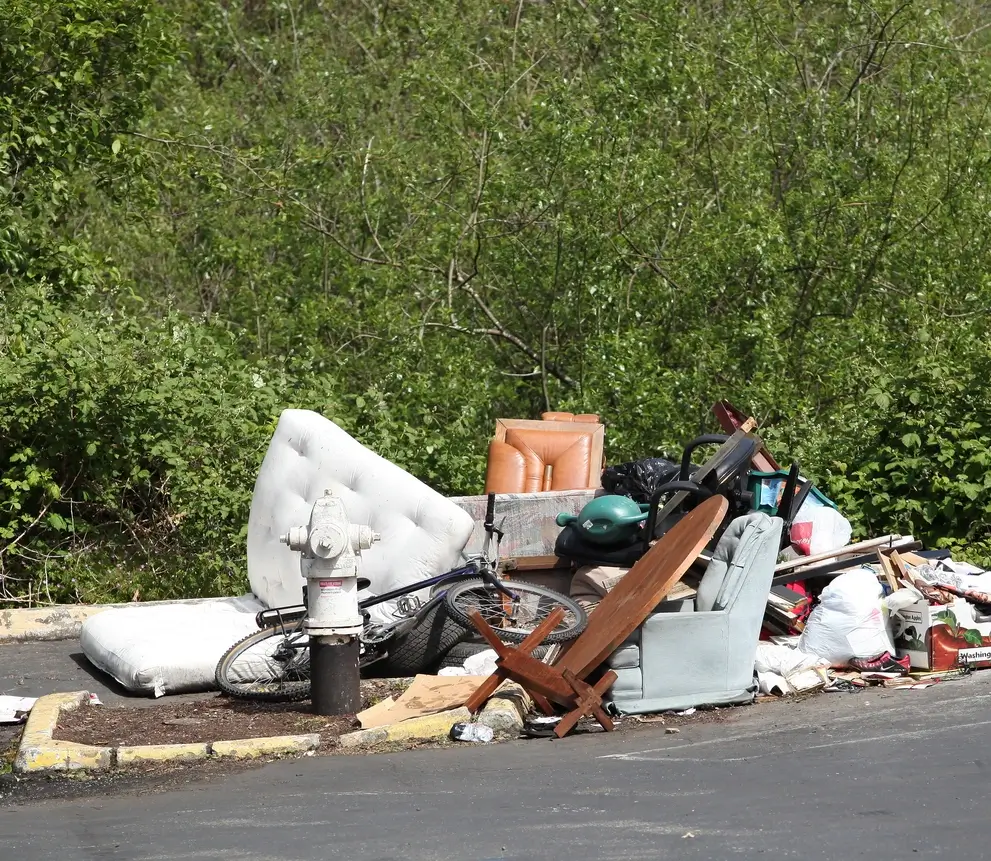
Home projects often create waste that is bulky rather than heavy, especially when a room is being cleared before decorating or refurbishment. Domestic skip hire can be useful for old furniture, general household clutter, broken storage items and mixed rubbish gathered during a tidy-up. It also suits garage clearances, loft emptying and changes where several different kinds of unwanted item appear at once. The service is less about one specific material and more about giving the household a practical way to remove everything in one planned movement.
For these jobs, the main decisions are usually the amount of space needed, whether the waste includes reusable items or only rubbish, and how quickly the load is likely to build up. A garage clearance may produce both loose and awkward pieces, while a loft job may involve lighter objects that still occupy more room than expected. We can support customers who need garage and loft clearance, and the same general approach can also suit a broader house clearance where the work involves several rooms or a full property tidy.
Homeowners sometimes try to combine too many tasks into one hire, so it helps to think clearly about what the skip is for and what should be handled separately. A thoughtful plan can reduce lifting, keep walkways open and stop useful items being mixed with waste. If you are unsure how much space the project will create, make a short list of the biggest items first. That gives a more reliable starting point than trying to estimate by eye alone.
Builders, Refurbishment and Site Waste
Building work creates waste that is often heavier, denser and more regular than domestic rubbish, so the disposal method needs to be chosen with that in mind. Builders skip hire can support projects such as structural alterations, internal strip-outs, bathroom replacements and ongoing trade work where debris accumulates over time. The service is especially helpful when materials need to remain on site for an organised period before collection rather than being removed piece by piece. It can make a site easier to manage and help the work area stay more controlled.
For more specific construction jobs, customers may also look at construction waste disposal, construction waste clearance and demolition waste removal. These services can suit different stages of a project, from lighter renovation debris to heavier material generated by demolition or structural preparation. Where the work is focused on a particular build phase, a clear description of the waste stream is more useful than a broad statement that the site simply needs clearing. That is what helps the hire align with the job properly.
Weight, access and timing are the main questions for this kind of work. A skip that suits one phase of a project may not suit another if the debris changes from timber and packaging to rubble and plasterboard. Keep an eye on how quickly the load is building, how the material is being handled and whether the delivery position is still suitable as the work progresses. That kind of attention usually makes the hire more efficient and the site safer to work on.
About Highgate
Highgate is an area in north London known for its elevated position on the edge of Hampstead Heath and for the mix of historic streets, green spaces and cultural landmarks that shape its character. The name is closely associated with the old road that once formed part of the route north from the city, and the area still retains a sense of older settlement patterns through its lanes, terraces and village-like centre. Highgate Cemetery, established in the nineteenth century, is one of the area’s best-known landmarks and is noted for its distinctive Gothic atmosphere, mature planting and the graves of many public figures. Nearby, Waterlow Park provides open space, formal gardens and views across London, while Hampstead Heath lies to the south-west and remains one of the capital’s most recognisable commons. The area also has a strong architectural identity, with Georgian and Victorian houses, listed buildings and church towers giving several streets a coherent historic feel. Highgate High Street and the surrounding roads contain independent shops, cafés and pubs that contribute to a local centre distinct from the larger borough around it. Cultural life has long been part of the area’s reputation, with associations to writers, artists and public debate, and that legacy can still be sensed in the preserved character of its institutions and streetscape. Although it sits within a busy part of London, Highgate keeps a relatively contained village core, making the contrast between residential terraces, woodland edges and major routes particularly noticeable. The result is a neighbourhood with a strong identity that combines history, landscape and urban life in close proximity.
Skip Permits, Access and Placement

In some cases, skip hire involves more than simply placing a container on a driveway or within private land. Access, road width, turning space and surface conditions all matter when a delivery is being arranged. If a skip cannot be placed comfortably on private ground, customers may need to consider whether a roadside location is appropriate and whether a permit or similar permission is required. The aim is not to complicate the hire but to make sure the skip can be delivered and collected in a practical, lawful way.
That is why skip permits and skip hire permits are useful topics to review when the placement is less straightforward. Where the hire is being organised for a road or a narrow frontage, the delivery position should be discussed early rather than left until the last minute. It is also worth checking whether there is enough clear space for safe access and whether any nearby obstacles might affect placement. In some cases, enclosed and lockable skip hire may be a better fit where contents need additional protection or access control.
Preparation does not need to be complicated, but it should be realistic. Make sure the route to the site is clear, the intended position is usable and any likely obstructions are identified before the hire begins. If you are unsure whether the skip can be placed where you want it, ask that question before you finalise the booking. Good access planning avoids unnecessary delay and makes collection simpler at the end of the hire.
Specialist Waste Services
Not every project fits neatly into a standard mixed-waste hire. Some jobs produce restricted, bulky or very specific material that is better handled through a more focused disposal service. For example, appliances may need separate collection, offices may generate confidential paper to destroy, and certain site tasks may benefit from a controlled clearance rather than a broad skip. In those cases, the right service choice depends on the actual waste stream rather than the general fact that items need removing.
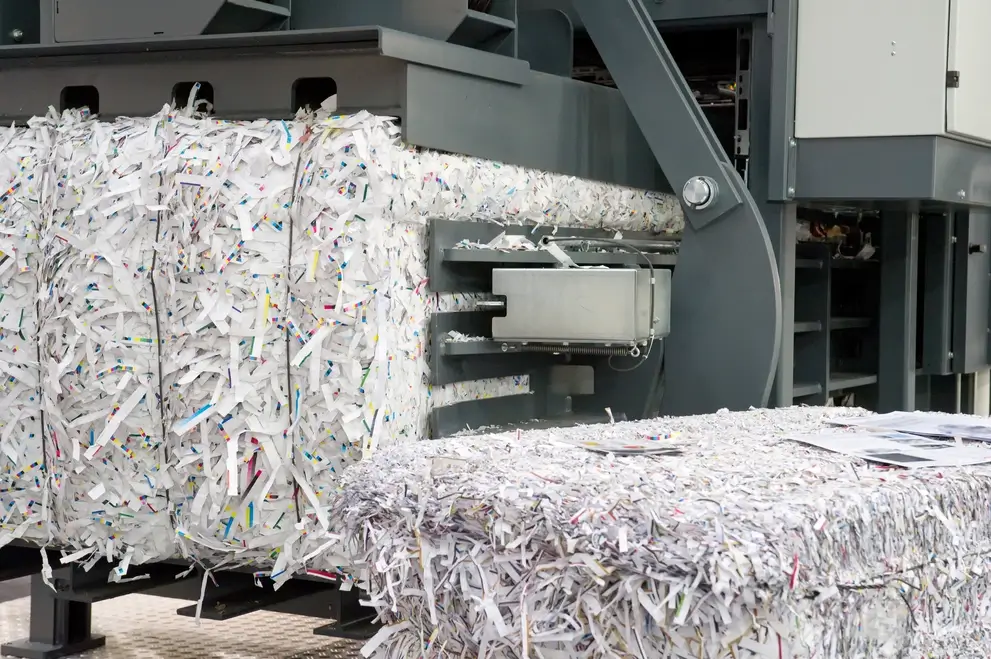
Where specialist disposal is required, our related services can include fridge and appliance removal, confidential shredding, mattress and sofa disposal and hazardous waste disposal. Some jobs may also be more suited to rubbish removal or man and van support if the material is awkward, urgent or better handled as a collection rather than a stationary container. The best option depends on what is being taken away and how it must be handled.
Because specialist waste often has separate handling requirements, it is sensible to identify it early. That helps avoid mixing material that should not be loaded together and makes the quotation more accurate. If your project includes ordinary waste as well as a special item or stream, you may need a combined approach rather than a single service. A clear description of the items is usually the quickest way to narrow the choices and keep the arrangement practical.
Pricing Factors and Practical Preparation

Pricing for skip hire is influenced by several practical factors rather than by a single headline figure. The size of the skip, the type of waste, the duration of hire, the delivery location and any access complications can all affect the overall arrangement. Heavier or more difficult material may require a different handling method, while straightforward mixed waste is usually easier to plan for. That is why a good quotation begins with clear information about the job instead of a guess based only on the name of the service.
Two simple steps usually make the process easier. First, write down the main waste types, the approximate amount and any items that might need separate treatment. Second, think about where the skip will go and whether delivery or collection could be complicated by parked cars, narrow access or a limited frontage. That gives a better basis for discussion than a vague description. If the hire is time-sensitive, make a note of that too so the arrangement can be matched to the schedule more effectively.
For many customers, the best next step is simply to ask for a clear quotation based on the job as it stands. If you already know the main waste categories and the location of the skip, you are usually close to the point where a useful price can be prepared. Send the details when you are ready, compare the options and choose the disposal method that fits the work best.
Recycling, Responsible Disposal and Final Enquiry
Responsible waste handling is an important part of skip hire, especially where projects generate a mixture of recyclable and non-recyclable material. Building debris, metal, timber, cardboard and certain household items may need to be separated or processed differently, depending on the load. A well-organised hire makes it easier to keep the contents sensible and easier to manage. It also encourages customers to think in terms of what is being removed, not just how quickly the space can be cleared.
We also provide services linked to sorting and disposal, including waste recycling services and recycling and sustainability, alongside standard hire options such as skip hire and same day skip hire where they are suitable to the job and available through the service route. These pages can help you compare a general hire with other waste-handling approaches and understand which arrangement best matches the material involved. For commercial customers, commercial skip hire may be more relevant where the project is part of a business operation or a larger programme of works.
If you would like to move ahead, request a quotation once you have the basic details together. A clear explanation of the waste, the access and the timescale is usually enough to begin. You can also ask for help choosing between a skip and another collection method if you are still comparing the options. The sooner the main facts are set out, the easier it is to point you toward a suitable disposal plan.